
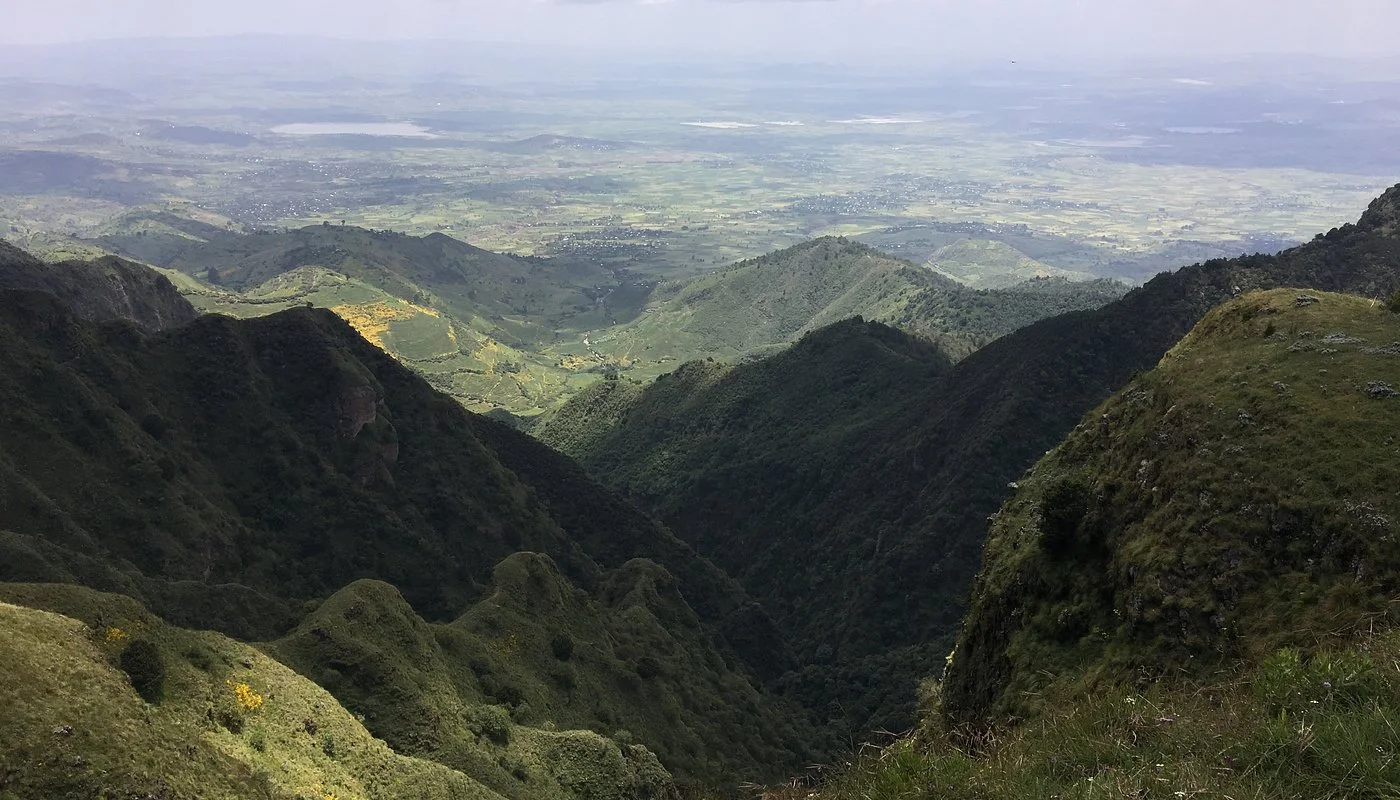
Protecting a land where nature and culture remain deeply entwined.
Ethiopia is home to extraordinary landscapes, biodiversity and heritage. The Ethiopian Conservation Trust supports the initiatives, partnerships and people working to protect and restore them for future generations.
ETHIOPIA: A LAND OF ORIGINSFrom centuries-old human-hyena harmonies within Harar's ancient eastern walls to sacred relationships between the Nuer people and migratory birds across Gambella's western wetlands, Ethiopia stands out as a true land of origins, where humanity and the natural world remain deeply intertwined.
Ethiopia is home to an extraordinary concentration of natural and cultural heritage. Alongside South Africa, it leads the African continent in the number of UNESCO World Heritage Sites and is home to two of the globe’s first sites inscribed in 1978.
But Ethiopia's significance extends beyond individual landmarks.
From centuries-old human-hyena harmonies within Harar's ancient eastern walls to sacred relationships between the Nuer people and migratory birds across Gambella's western wetlands, Ethiopia offers remarkable examples of how people and nature continue to coexist and shape one another.
Across its mountains, forests, wetlands and historic settlements, natural and cultural heritage remain deeply intertwined, making Ethiopia one of the world's most distinctive landscapes for conservation and stewardship.
WHY WE EXIST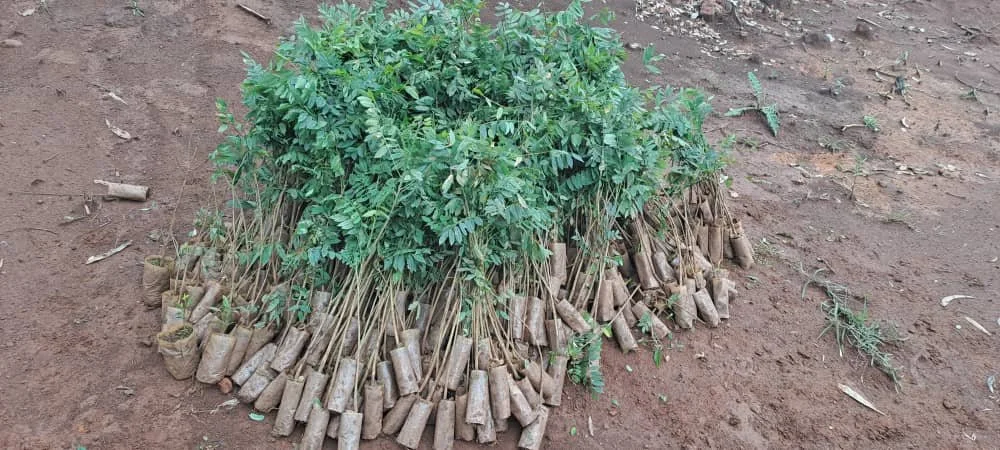
Ethiopia's natural and cultural heritage faces increasing pressures from environmental degradation, climate change, urban expansion and the gradual loss of historic landscapes.
Protecting these places requires long-term commitment, local leadership and strong partnerships.
The Ethiopian Conservation Trust exists to support initiatives across Ethiopia that restore natural landscapes, strengthen biodiversity and safeguard sites of architectural significance. Working alongside local organisations, communities and conservation partners, we help support projects that contribute to a more resilient future for both people and nature.
By connecting supporters with meaningful conservation initiatives, we aim to help protect the places, stories and ecosystems that make Ethiopia unique.
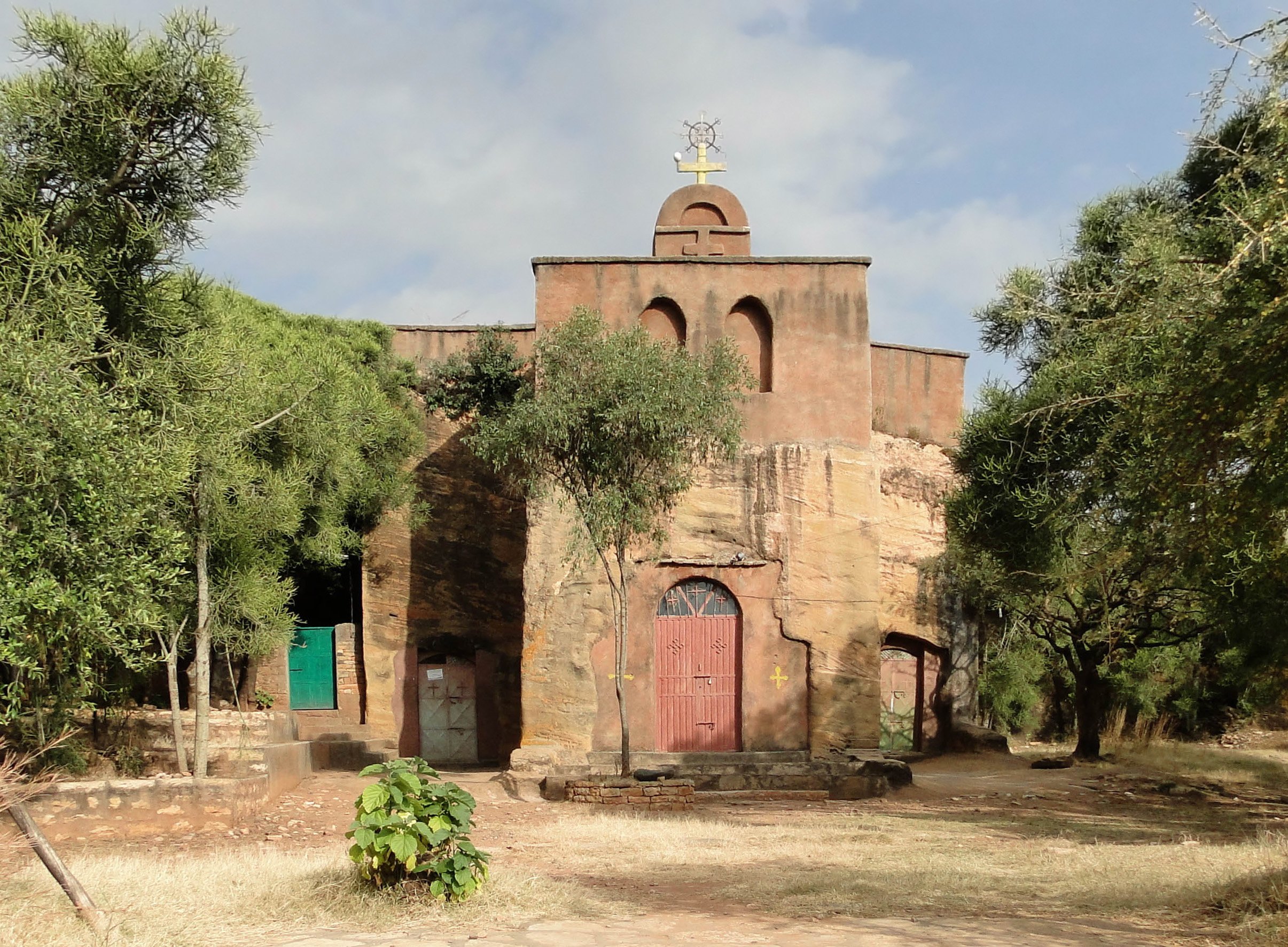
OUR STORYThe Ethiopian Conservation Trust was established in 2017 as a UK-based charity to support the conservation of Ethiopia’s natural and architectural heritage.
For its first eight years, the Trust worked closely with the Ethiopian Heritage Trust, founded in Addis Ababa in 1993. Together, they supported conservation projects that promoted environmental stewardship and long-term restoration in Ethiopia.
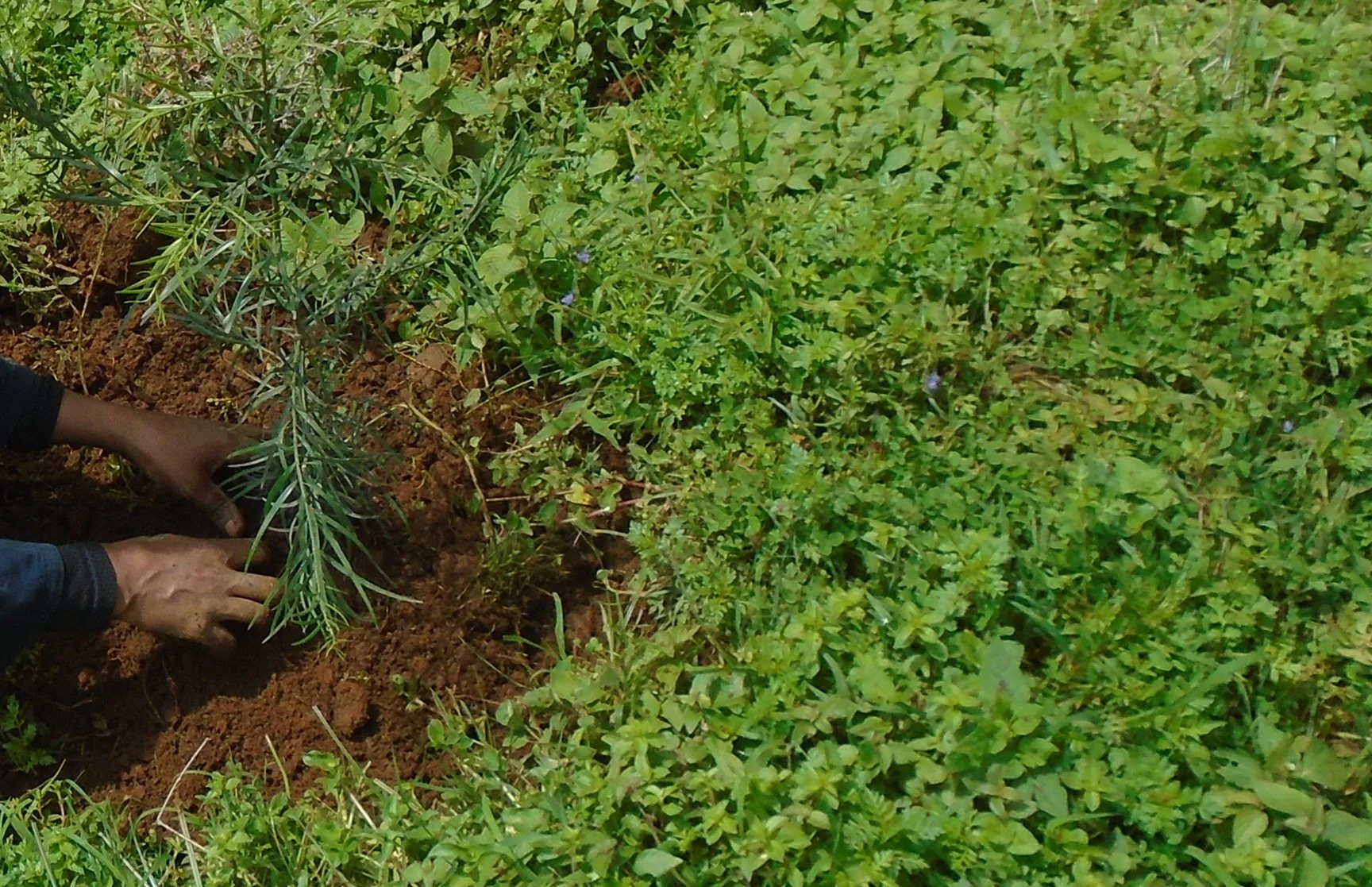
Among these initiatives was Entoto Natural Park, where more than 650,000 indigenous tree seedlings have been planted over three decades. This ground-breaking project has helped restore biodiversity and regenerate a landscape once affected by environmental degradation.
In 2025, the Ethiopian Conservation Trust began a strategic renewal process, expanding its partnerships and strengthening its support for conservation initiatives across Ethiopia. This evolution reflects a growing commitment to collaboration, stewardship and long-term impact.
1993–2017
FOUNDATIONS →
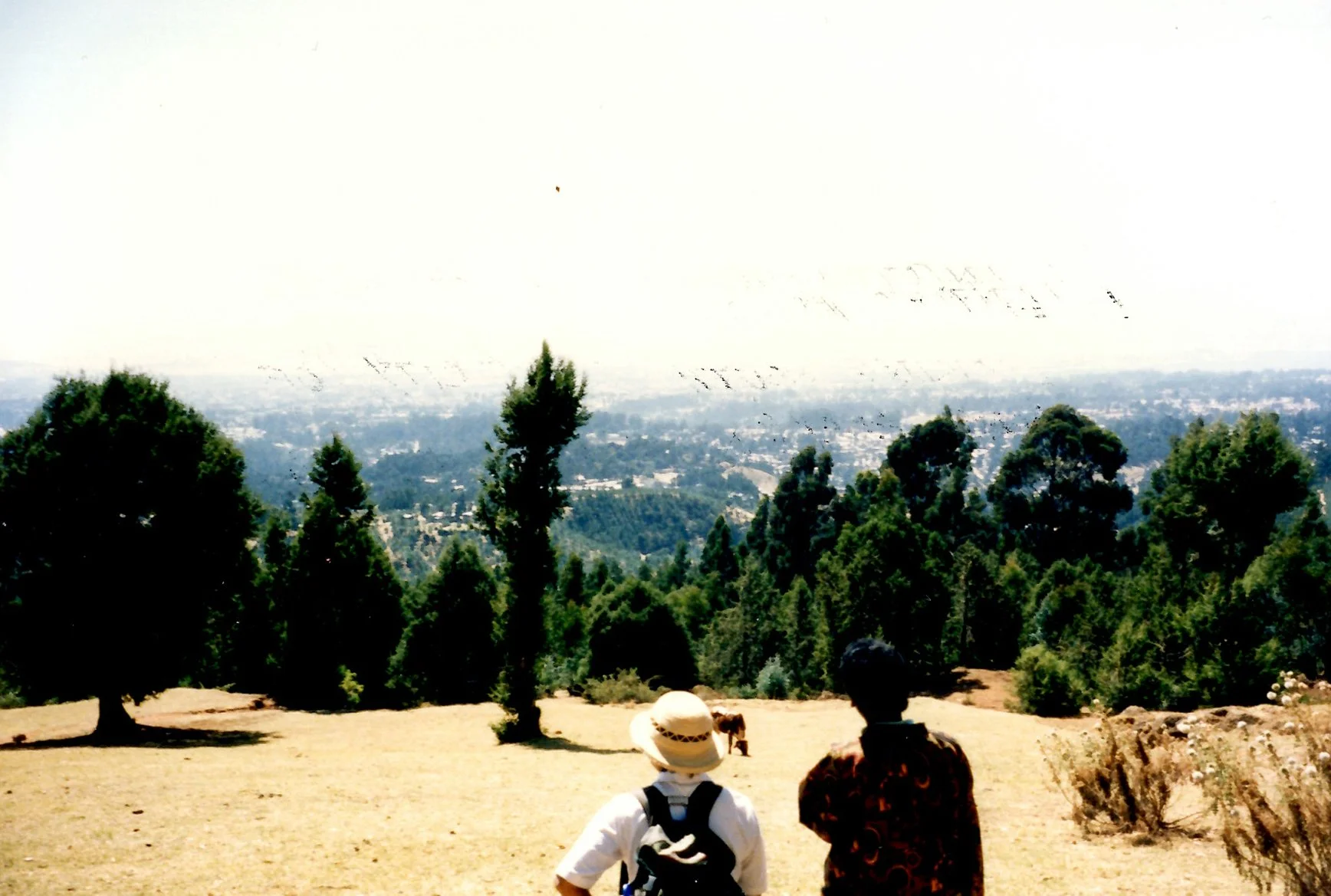
Entoto before restoration. Years of environmental degradation had left the landscape impoverished and biodiversity diminished. This image captures the scale of the challenge.
2017–2025
RESTORATION IN ACTION →
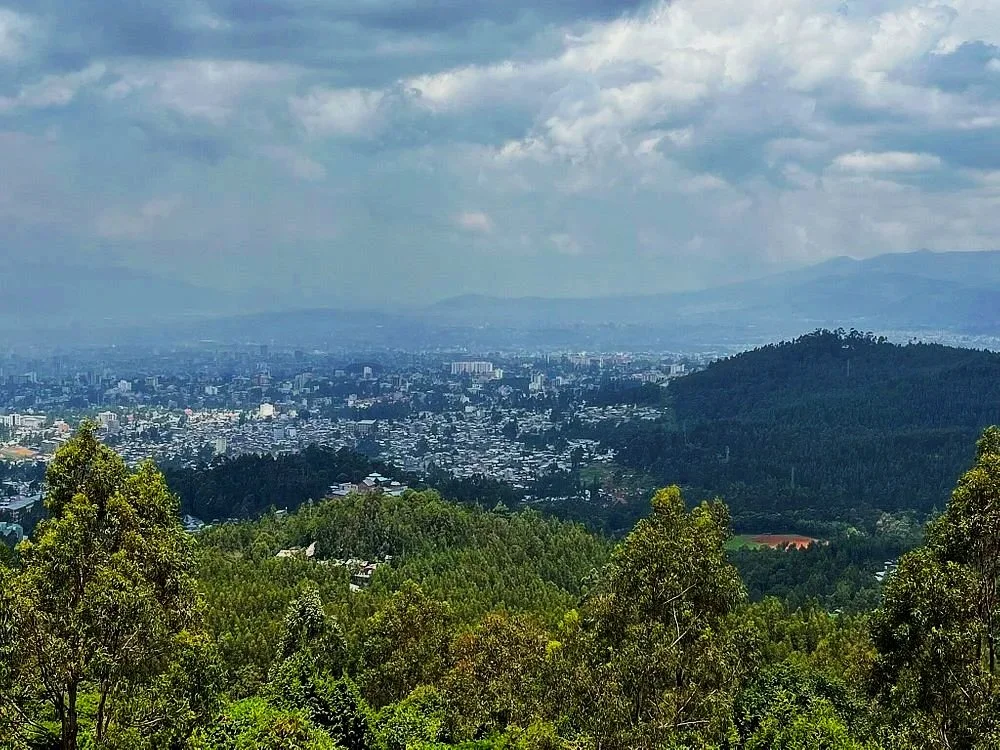
Long-term restoration is transforming Entoto into a thriving landscape where biodiversity recovered and people reconnected with nature.
2026 AND BEYOND
LOOKING AHEAD
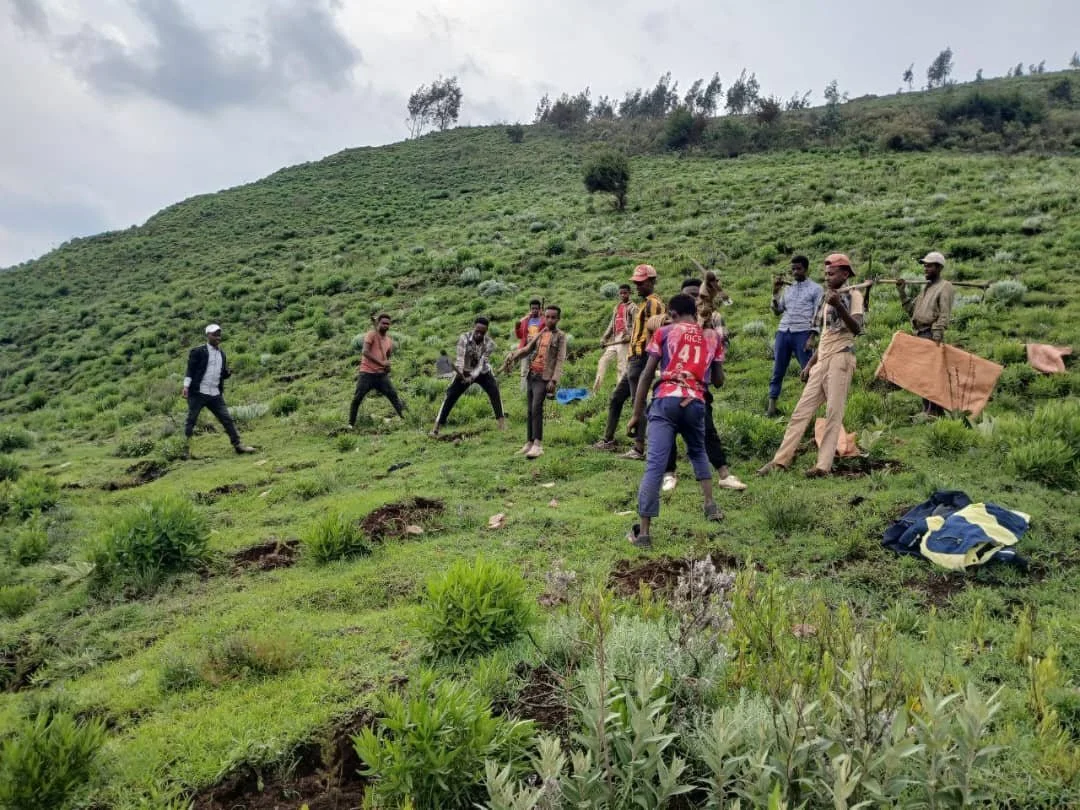
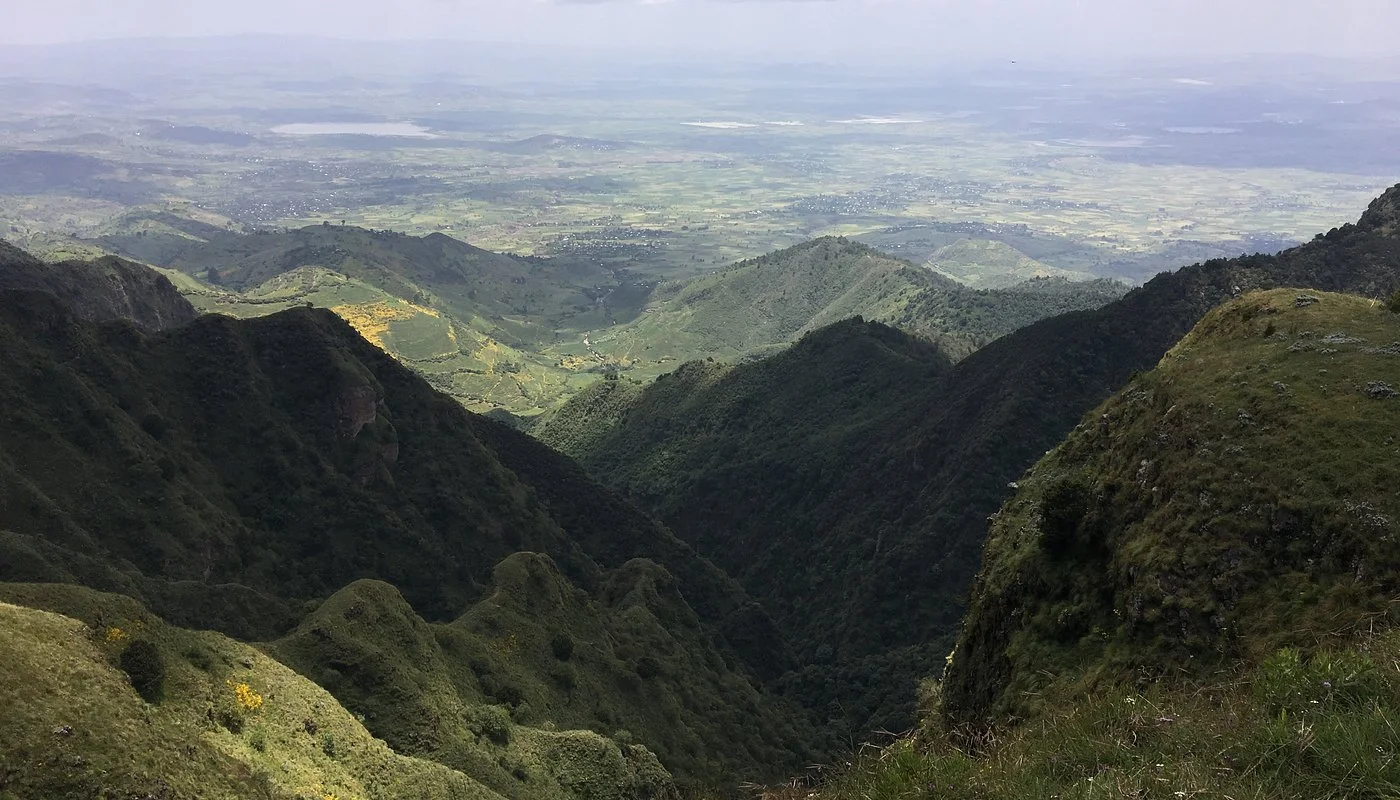
Building on lessons from Entoto, new partnerships at Mount Yerer and elsewhere are helping restore landscapes and strengthen climate resilience.
HOW WE FOCUS OUR SUPPORTThe Ethiopian Conservation Trust supports conservation initiatives in Ethiopia through three interconnected areas of focus. Together, they help guide our support for projects that restore landscapes, strengthen biodiversity and protect heritage for future generations.
→ RESTOREE — Ecological restoration
Supporting the protection and restoration of natural heritage and historic buildings in ways that strengthen biodiversity and create long-term benefits for both people and nature.
→ ADAPTC — Climate resilience
Supporting nature-based solutions, including indigenous tree planting and landscape restoration, to help ecosystems adapt to environmental pressures.
→ REGENERATET — Transforming landscapes
Helping restore degraded landscapes through long-term conservation partnerships that contribute to healthier ecosystems and more resilient communities.
WORKING THROUGH PARTNERSHIPConservation is most effective when it is rooted in local knowledge, long-term stewardship and strong collaboration. The Trust works alongside organisations, institutions and communities that bring expertise, experience and commitment to the places they serve.
Our earliest projects were developed in collaboration with the Ethiopian Heritage Trust, whose long-standing work in the conservation of sites of natural beauty and historic buildings helped shape our beginnings. Since 2025, our charity—now known as the Ethiopian Conservation Trust—has evolved its structure and expanded its partnerships, working with a growing network of partners across Ethiopia.
VOICES FROM OUR COMMUNITY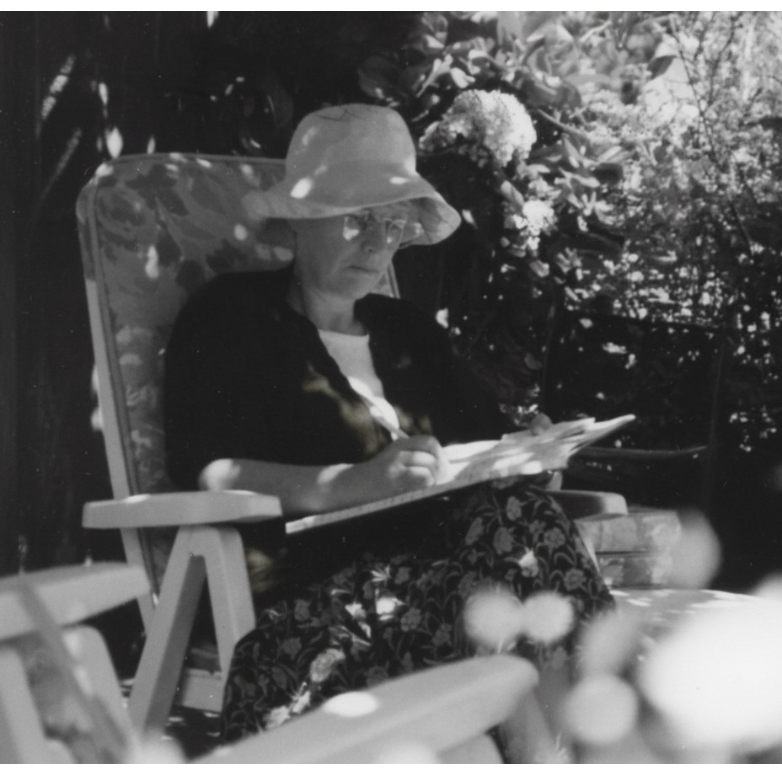
ELIZABETH LAIRDAward-Winning Novelist and Travel Writer
“Joyful examples of what can be achieved in environmental restoration.”
“When I lived in Ethiopia in the 1960s, the population was one fifth of what it is today. The hills around Yerer were still robed in forest in which birds and monkeys lived in safety. And Wukro! It was almost deserted then. There was no tarmac road, and few tourists came to visit the astonishing rock churches.
Since those days, in spite of all that Ethiopia has accomplished, much of the natural world has been lost. But the Trust's projects in Yerer and Wukro are joyful examples of what can be achieved in environmental restoration. I can't wait to see how they develop!”
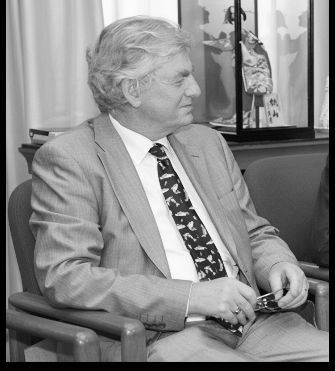
SIR ROBIN CHRISTOPHERFormer British Ambassador to Ethiopia (1994–1997), Indonesia (1997–2000) & Argentina (2000–2004)
“The establishment of Entoto Natural Park was an amazing achievement.”
“I had the good fortune to be in Ethiopia in the 1990s and indeed was happy to be one of the Ethiopian Heritage Trust's earliest members. The establishment of Entoto Natural Park as a site for regeneration of native wildlife and for people to enjoy and laze in the beauties of nature was an amazing achievement. It is wonderful that, since then, 650,000 indigenous trees have been planted.
The newly rebranded Ethiopian Conservation Trust is to be commended for its support over the last eight years for the Entoto Natural Park. And I welcome its vision now in expanding its support to projects outside Addis Ababa, such as Mount Yerer and Wukro. I wish it well.”
THE PEOPLE BEHIND THE TRUSTGuiding the Trust
Independent oversight.
Shared expertise.
Long-term stewardship.
The Ethiopian Conservation Trust is governed by an elected Board of Trustees whose expertise spans policy, education, research, conservation, communications and the arts.
Together, they provide strategic oversight, ensure sound governance, and guide the Trust's mission to protect Ethiopia's natural and cultural heritage.
-
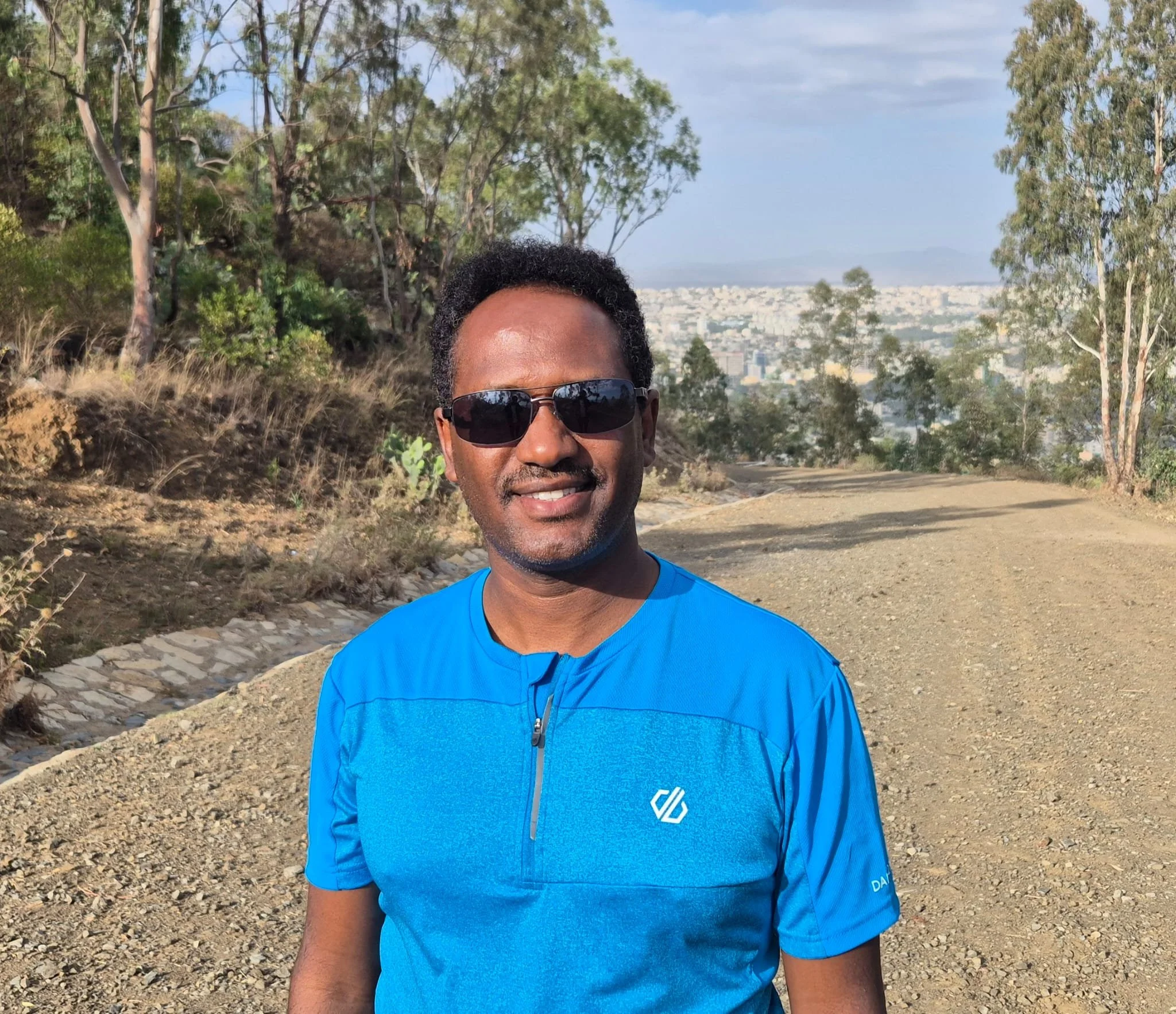
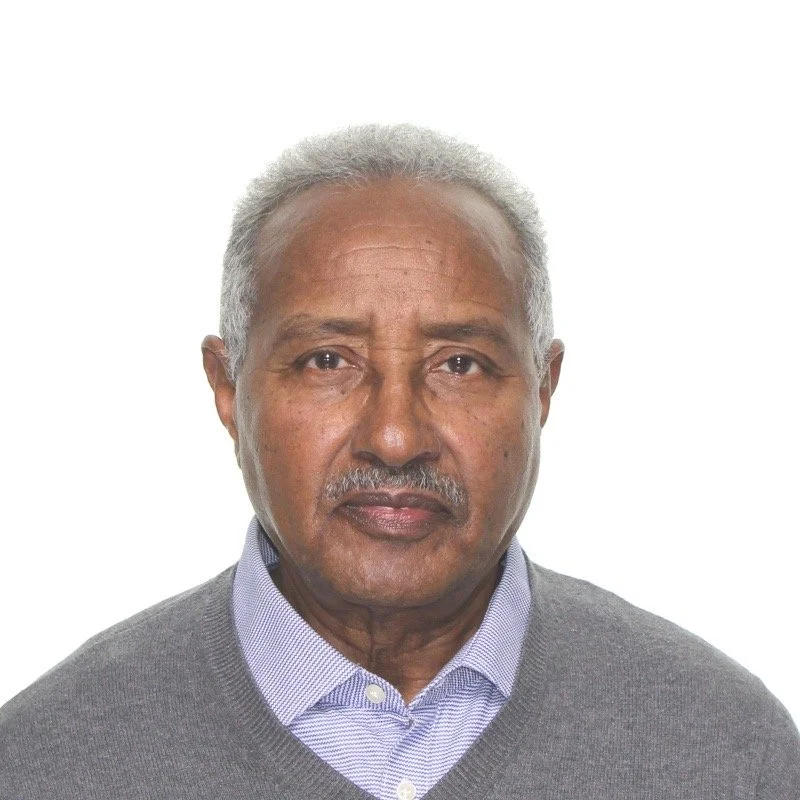
![Portrait of Ensermu Workneh.]()
Ensermu Workneh
CHAIRPERSON
-
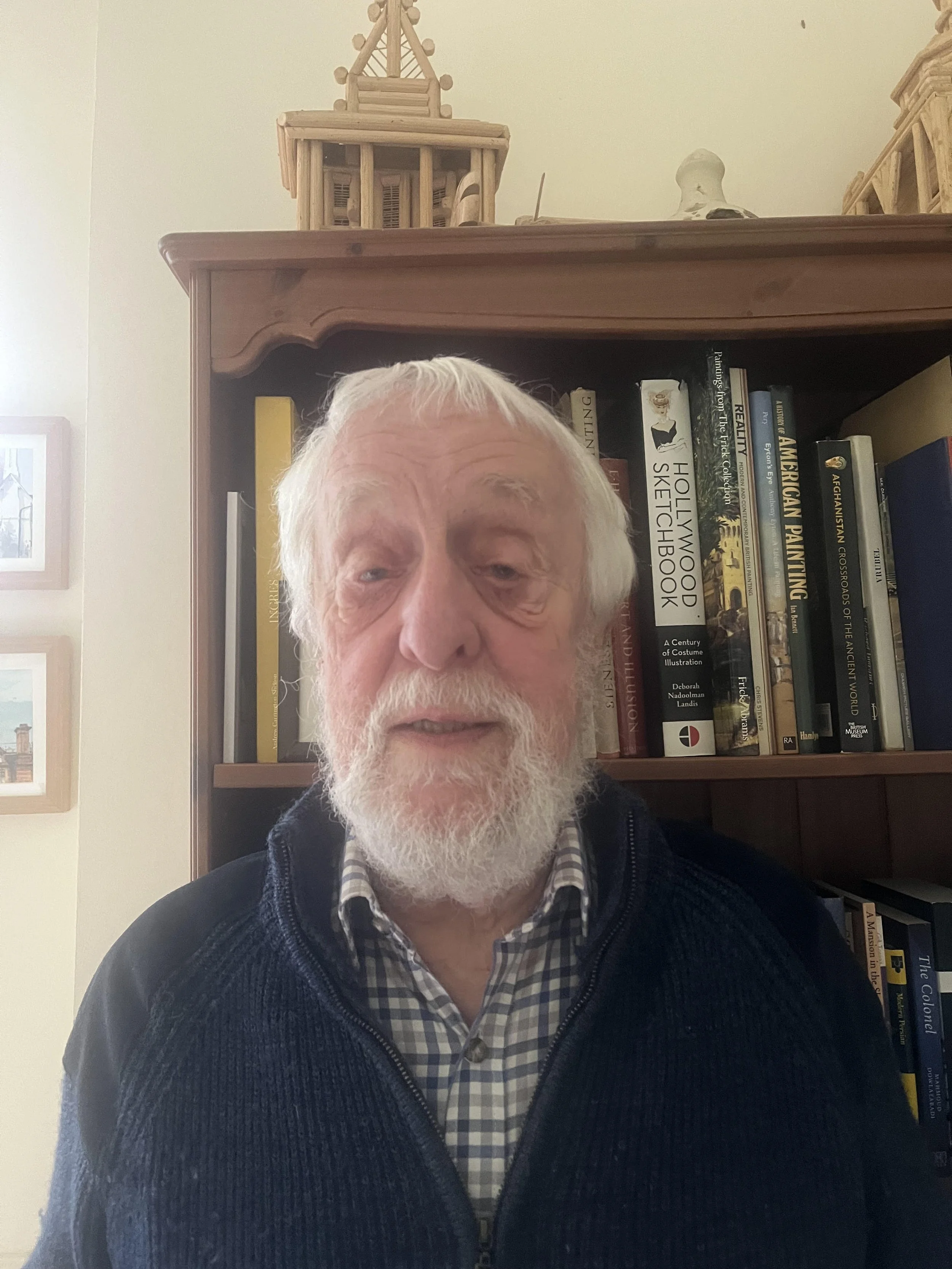
![Portrait of Michael Sargent]()
Michael Sargent
FOUNDER
-
![Portrait of Dr Jacke Phillips]()
Dr Jacke Phillips
SECRETARY
-
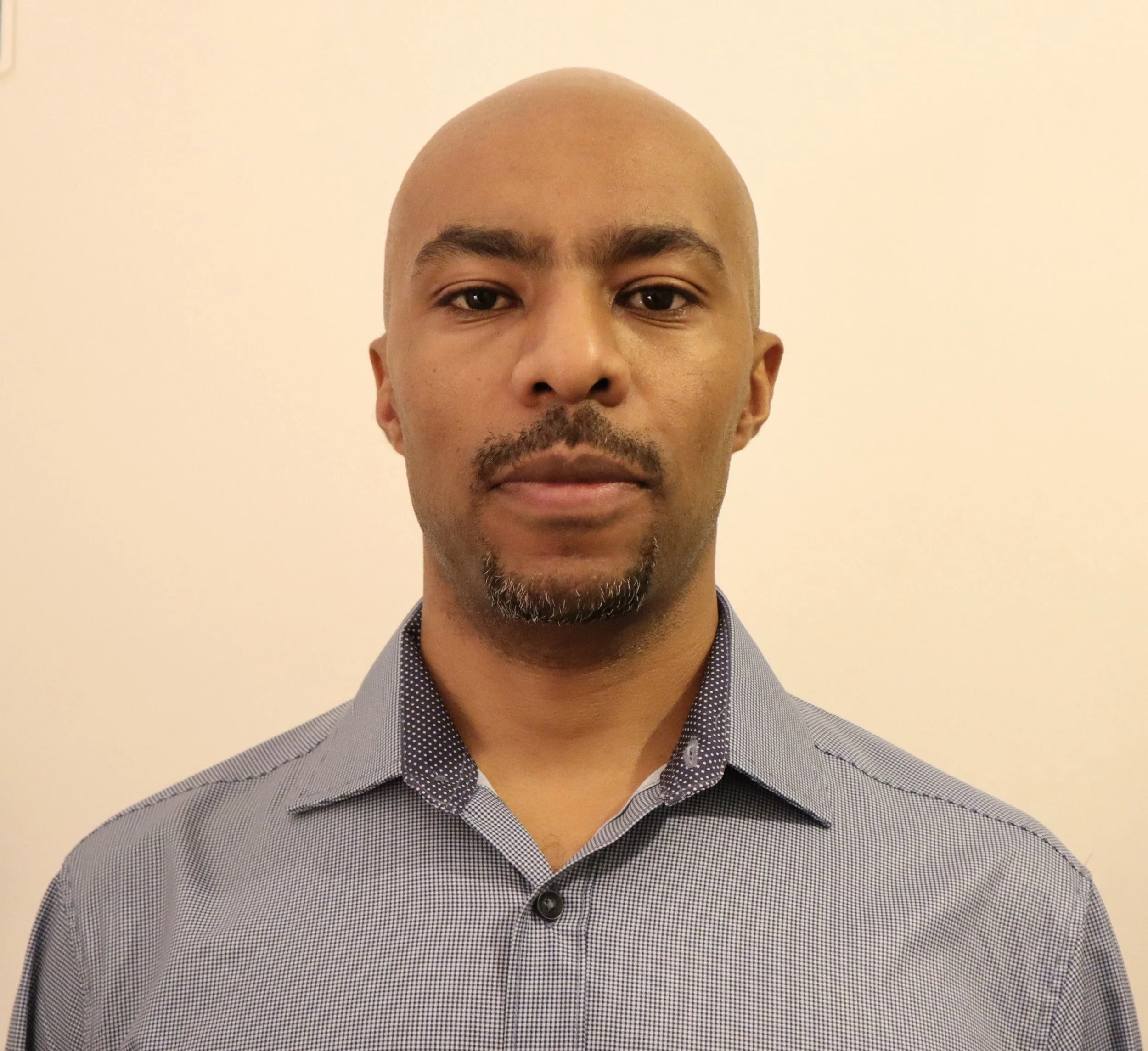
![Portrait of Yonas Weldeselassie]()
Dr Yonas Weldeselassie
TREASURER
-
![Portrait of Christopher Sargent]()
Christopher Sargent
BOARD MEMBER
-
![Portrait of Dr Negusse Tewoldemedhin]()
Dr Negusse Tewoldemedhin
BOARD MEMBER
-
![Portrait of Luisa Tatoli]()
Luisa Tatoli
BOARD MEMBER
-
![Portrait of Komeil Karimi]()
Komeil Karimi
BOARD MEMBER
-
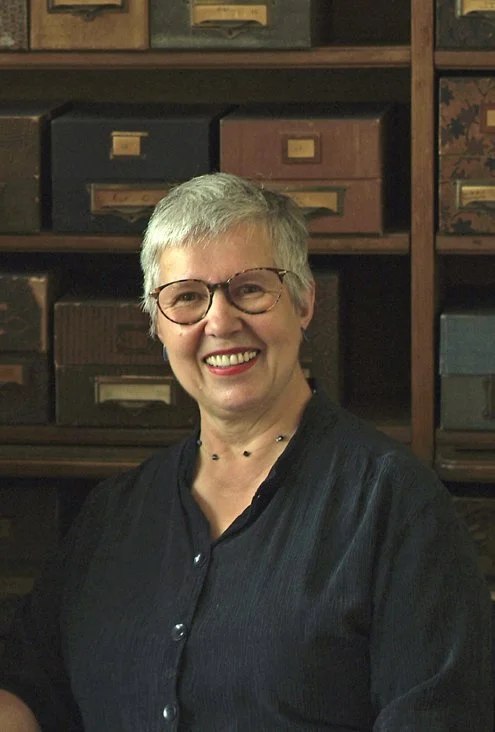
![Portrait of Dr Dorothea McEwan]()
Dr Dorothea McEwan
BOARD MEMBER
-
![Portrait of Farah Altenberg]()
Dr Farah Altenberg
BOARD MEMBER
-
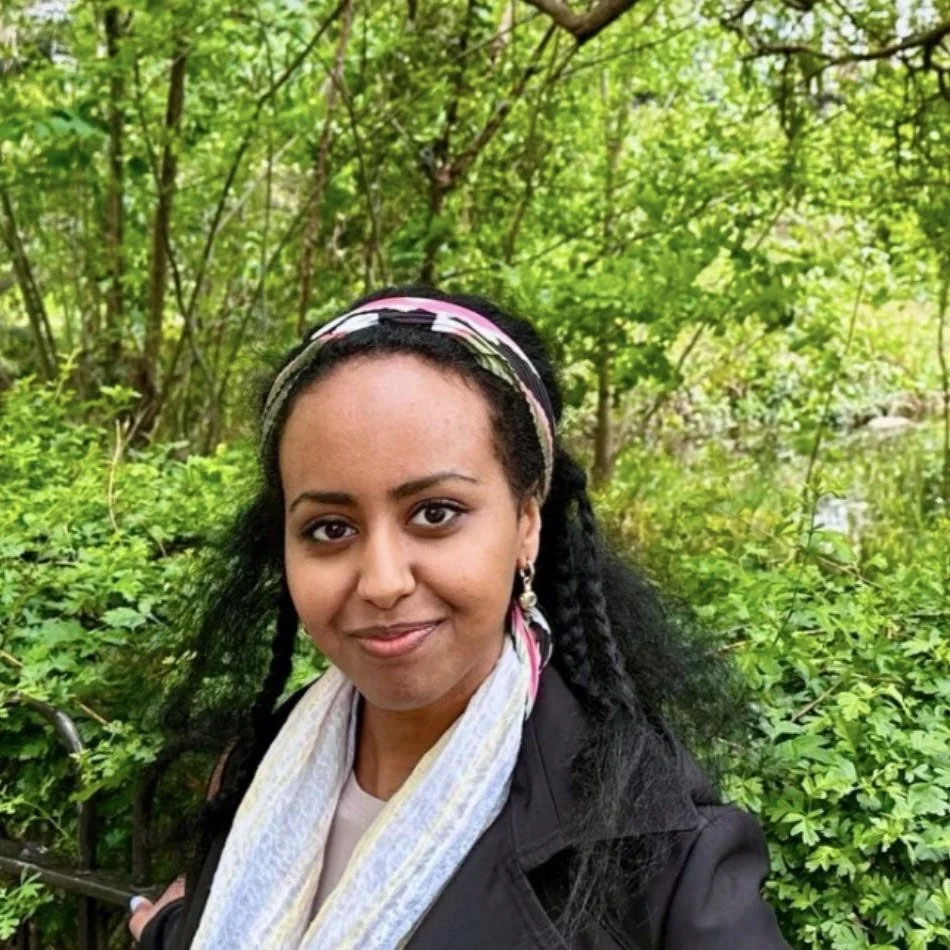
![Portrait of Hanna Desta]()
Hanna Desta
BOARD MEMBER





Help protect Ethiopia's natural and architectural heritage
The landscapes, biodiversity and heritage that make Ethiopia unique depend on long-term stewardship, collaboration and support.
Whether through partnership, advocacy or financial contribution, there are many ways to help protect these places for future generations.